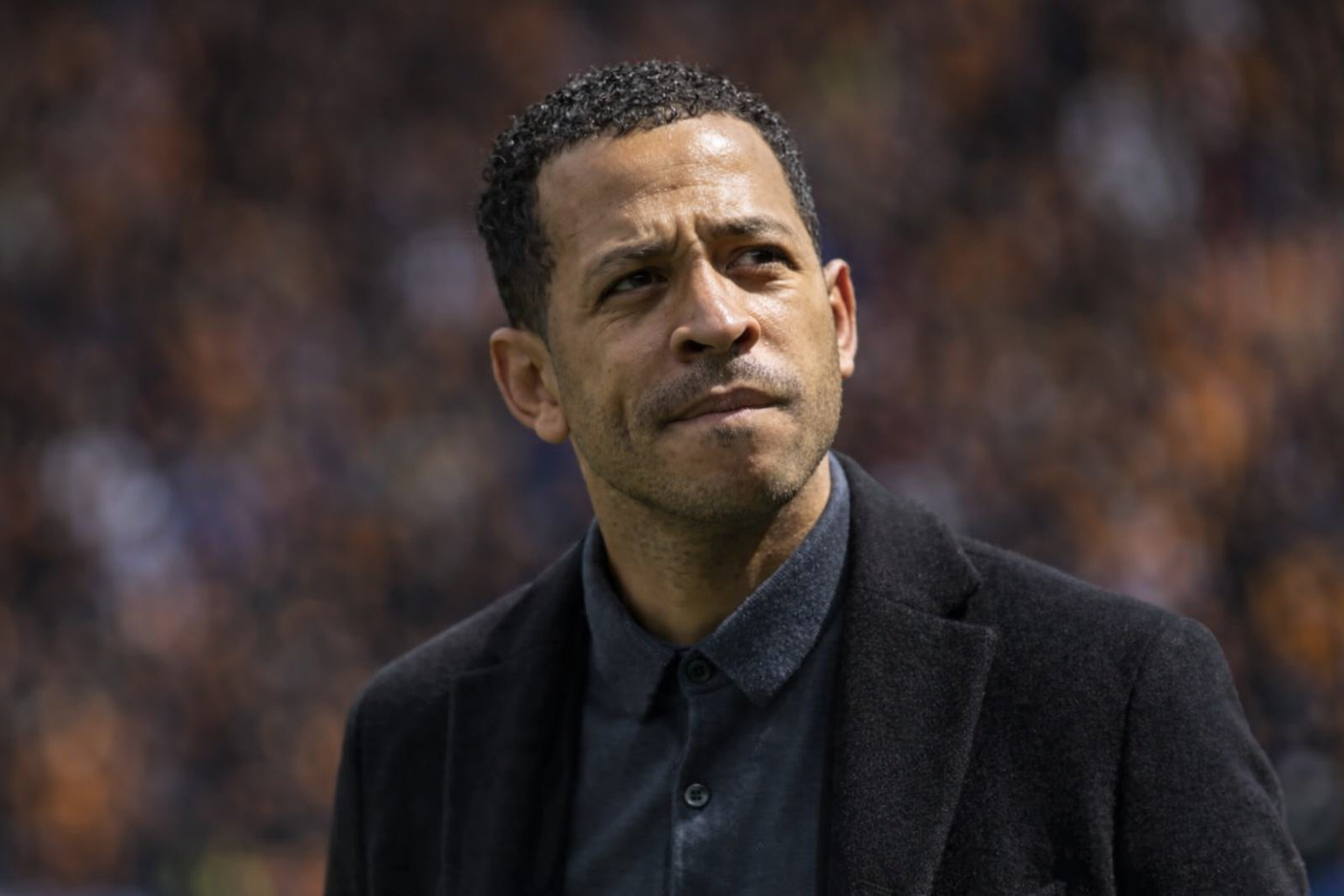


The hiring of Liam Rosenior is less about who he is – and more about what he represents.
Because in today's Chelsea, the coaching role is becoming something completely different than it once was.
This is not primarily a sporting choice. It is a structural one.
A coach for the system – not the system for the coach
Rosenior is known as extremely prepared, methodical and collaborative. These are qualities that are highly valued in modern clubs governed according to the American model, where decision-making power is spread across sporting directors, analysts and owners.
The problem?
This model assumes that the coach is not the club's sporting center , but one piece in a larger apparatus.
The classic English manager – with control over playing style, player logistics and day-to-day operations – is becoming a dying breed.
English football is changing – whether it wants to or not
With more and more American and international owners, the Premier League is moving away from the traditional managerial role and towards something more technocratic. Less personality. More process. Less authority. More reporting.
In such a landscape, Rosenior is an ideal choice:
- he doesn't challenge the structure
- fits into the hierarchy
- he accepts the framework
But it raises an uncomfortable question: What happens when no one is fully responsible?
The puppy problem is real
Rosenior lacks the power base that many of his predecessors had. When results fluctuate – and they will – it is unclear who is actually left in charge.
In this model, the trainer is easy to replace. The system remains.
It's effective.
But it's also cold.
Maresca was a warning shoe
The departure of Enzo Maresca appears to be yet another sign that disagreements over governance will not be tolerated for long. Strong coaches with clear opinions do not fit well in clubs where the direction has already been determined from above.
Rosenior is chosen precisely because he does not start in conflict with the model.
The end of the manager?
Liam Rosenior is unlikely to be the last coach of his kind. Quite the opposite.
He could be a harbinger of what English top-flight football will look like in five to ten years.
The question is not whether this is the future.
The question is whether it is a future the supporters actually want.
Because when the manager role disappears completely – some of the soul of English football also disappears.